Menu

Confidential Dublin Wigs Boutique

Part of the multi award winning Aidan Fitzgerald Hair Salon Based in Blackrock, Dublin - Our aim is to offer the latest styles in wigs that are Feather Light in Weight, with Natural Skin/Scalp hairlines expertly styled by Aidan and his team

Menu

Blog post featured imageBlog post featured imageBlog post featured image

Living with Alopecia

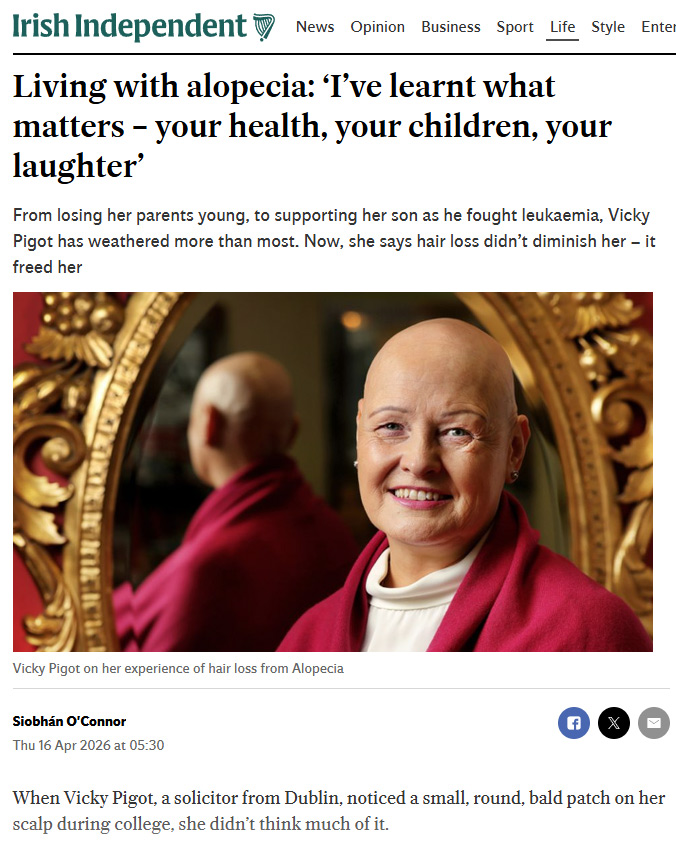
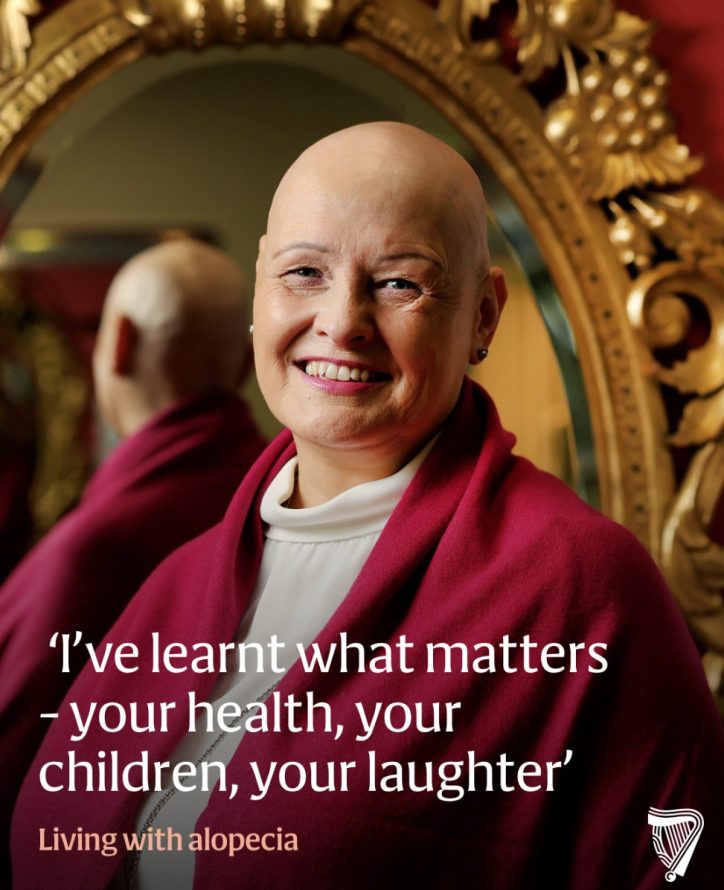
Living with alopecia: ‘I’ve learnt what matters – your health, your children, your laughter’
From losing her parents young, to supporting her son as he fought leukaemia, Vicky Pigot has weathered more than most. Now, she says hair loss didn’t diminish her – it freed her.

When Vicky Pigot, a solicitor from Dublin, noticed a small, round, bald patch on her scalp during college, she didn’t think much of it. “They always grew back,” she says. “I’d get one or two little spots, rub a bit of product on them, and off they’d go again.” She had no concept that these small circles of alopecia would one day mirror the turmoil and struggles of her own life. Vicky’s 20s were marked by deep loss. She recalls: “My dad died of cancer in 1996, and my mum passed away three-and-a-half years later from complications of rheumatoid arthritis. They were both gone by the time I was 30.”

Having also watched her child fight cancer, survival was all that mattered. “I’d seen my little boy lose his hair through treatment,” she says. “So for me, it wasn’t tragic. It was just another thing.” When the last strands were gone, she felt something unexpected: freedom. “The next morning, I had a shower, and it was divine,” she says, smiling. “The water on my scalp, it was the most beautiful feeling. I thought,’Oh, this isn’t so bad.’” Today, Vicky wears a wig, styled and cut by stylist Aidan Fitzgerald. “They’re beautiful, you can get real or mixed hair, semi-permanent or removable,” she explains. She’s open about her experience. “A lot of women comment on my hair,” she says. “They say, ‘Your hair’s gorgeous,’ and I just smile and say, ‘Thank you.’ Nobody talks about alopecia. There’s still a bit of silence around it.”

But for Vicky, it’s no longer something to hide. “After everything – the losses, the recession, the divorce, the illness, the pandemic; I’ve learned what matters. Your health and your children and your laughter,” she says. “Hair grows, or it doesn’t. It’s just part of the story.”

Read the full Irish Independent article.

Sunday with Miriam – RTE Radio1
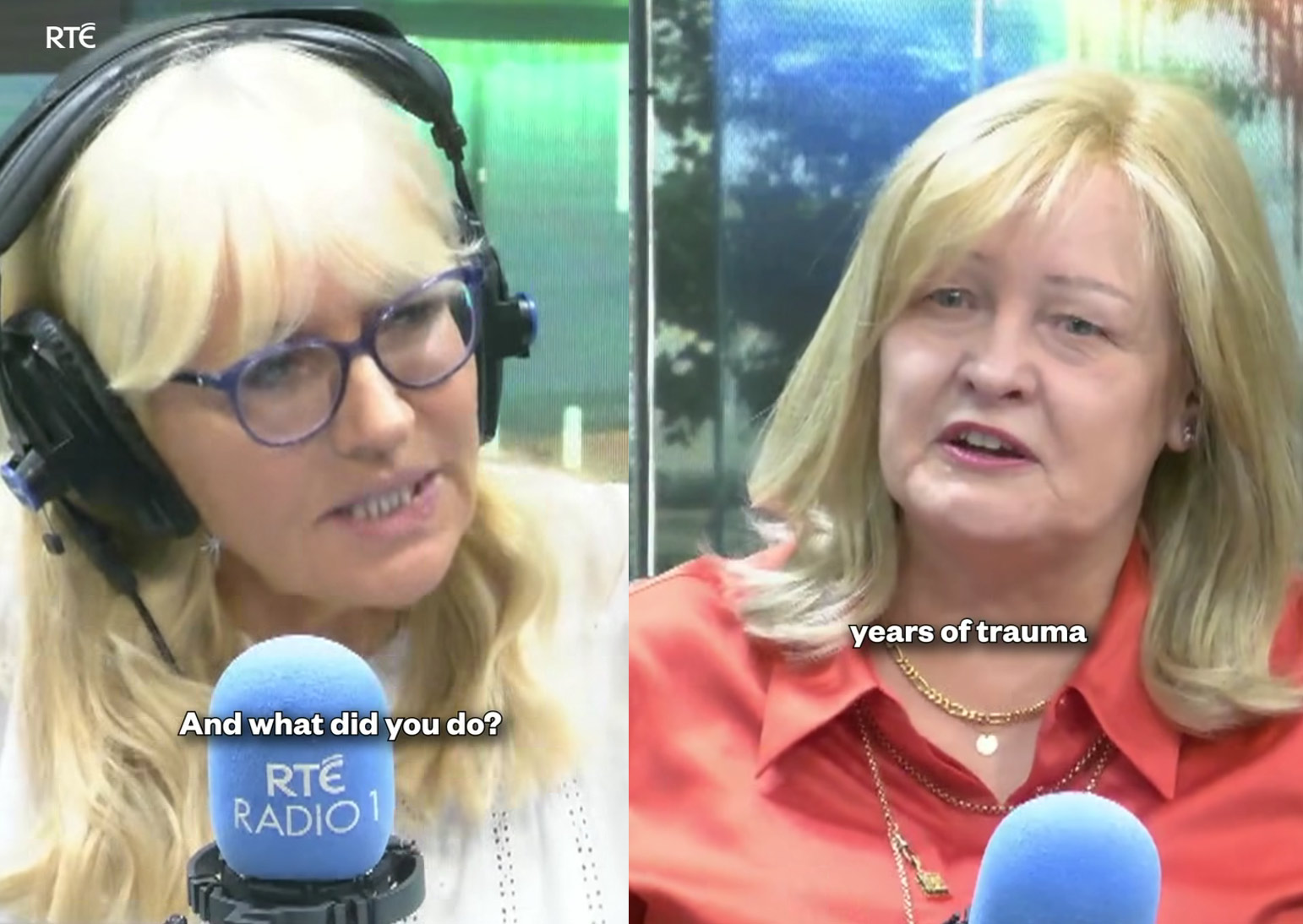
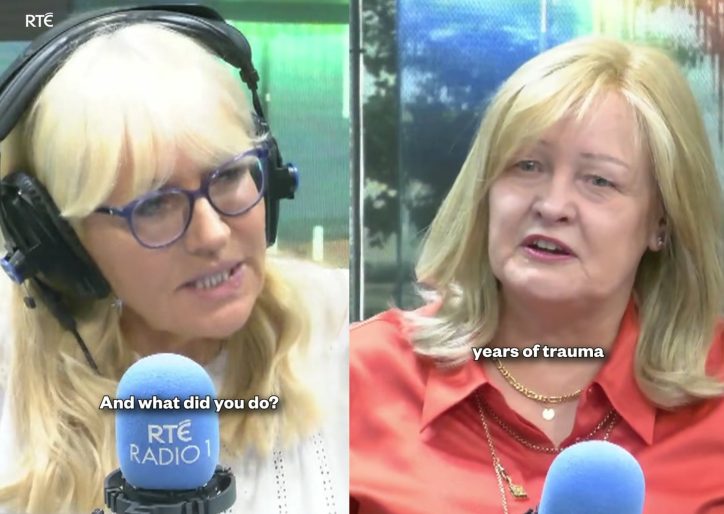
“I try to not let it define me” Vicky Pigot joined Sunday with Miriam and opened up about living with alopecia universalis. Watch the full interview feature on Facebook here.

Blog post featured image

Help for hair replacement costs

You may be able to get help with the cost of a hairpiece, wig or hair replacement.

You can get help to pay for these products through:

  • The HSE, if your hair loss was caused by your cancer treatment
  • You or your partner’s PRSI contributions (the government’s Treatment Benefit Scheme)
  • Your medical card, if you do not qualify for the Treatment Benefit Scheme
  • Your private health insurance – contact your insurer to check

TREATMENT BENEFIT SCHEME
There is a grant worth €500 to help you cover the cost of a hairpiece, wig or hair replacement if you have certain types of alopecia. This is through the government’s Treatment Benefit Scheme.

The types of alopecia the scheme covers include:

  • Alopecia areata – including alopecia totalis or universalis, diffuse alopecia areata, alopecia ophiasis
  • Primary scarring alopecias – also known as cicatricial alopecias
  • Frontal fibrosing alopecia and lichen planopilaris (scarring alopecia)
  • Alopecia caused by surgery or trauma, including burns
  • If you do not qualify for the Treatment Benefit Scheme you may be able to get a wig through your medical card.

MEDICAL CARD

  • Contact a supplier to make an appointment for a fitting.
  • Bring your letter or prescription and your medical card details to your fitting appointment.
  • The supplier can send your letter or prescription, invoice and medical card details to the HSE – or will tell you where to send them to.

Annual grants for those suffering hair loss through illness

From May 28th 2022, a new grant offering financial support of up to €500 towards the cost of wigs, hairpieces or hair replacement systems for people who suffer hair loss due to illness will be available.

The grant will fall under the Department of Social Protection’s Treatment Benefit Scheme and will cover hair loss resulting from cancer and forms of alopecia.

Available to insured workers, self employed and retired people who have the required number of PRSI contributions. It’s also available to a dependent spouse or partner.

Previously medical card holders with alopecia could access a grant of approx. €440, but those without the card could not receive financial support.

Gov.ie Press Release
Treatment Benefit Scheme
Blog post featured image

Alopecia Wig Specialist in Ireland Aidan Fitzgeralds Dublin Wigs

Alopecia Wig Specialist in Ireland Aidan Fitzgeralds Dublin Wigs Boutique

It’s the distressing health condition that’s centre stage this week after sparking The Slap that shocked the Oscars.
Alopecia is no laughing matter to Hollywood star Will Smith – who blew afuse when comedian Chris Rock made a bald joke directed at Will’s wife Jada Pinkett Smith.

Dubliner Yvonne Kinsella’s timely advice for fellow sufferers, and Siobhann O’Connor discuss this along with Aidan Fitzgerald at his Blackrock Wig Boutique in Dublin.

View the complete Alopecia Wigs Dublin article.

Blog post featured image

Minister Frank Feighan speaks out about Wigs in the Dail today Thursday 3rd March.

Minister Frank Feighan speaks out about Wigs in the Dail today Thursday 3rd March.

“Many know of Aidan Fitzgerald hairdressing in Blackrock for his professionalism and expertise in assisting people with hair loss with hairpieces and wigs”. (Minister Frank Feighan)

“I am grateful to Minister @frank.feighantd for confirming that updated HSE guidelines around the different medical card benefit rates for wigs and hairpieces are expected in mid 2022. This is the least we can do to support those recovering from the effects of chemotherapy.” (Aidan Fitzgerald)